
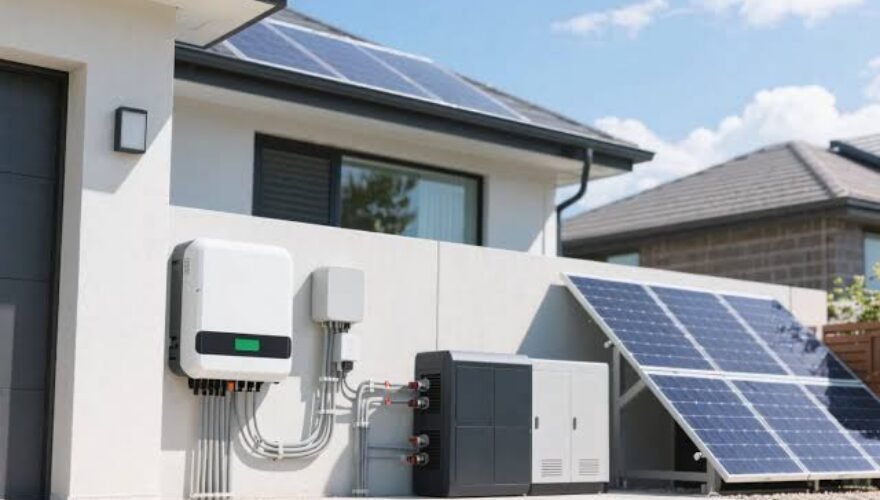
Why Hybrid Inverters Matter in 2026
With rising electricity prices and frequent power outages, solar energy has become an increasingly practical solution for homes and businesses in Pakistan. Among the different types of solar solutions available today, Among the different types of solar solutions available today, a Hybrid Solar Inverter in Pakistan is becoming an increasingly popular choice because it combines solar power, grid connectivity, and battery backup in one intelligent system.stem.
Choosing the right Hybrid Solar Inverter in Pakistan can help homeowners and businesses reduce electricity costs while maintaining reliable backup during power outages.
But what exactly
a hybrid inverter, and is it the right choice for your energy needs? Choosing the right inverter can significantly affect your system’s performance, backup time, and long-term savings.
In this complete guide, you’ll learn:
- What a hybrid inverter is and how it works
- Key benefits of hybrid solar inverters
- Different types and features to consider
- How to choose the right hybrid inverter for your needs
- Why hybrid inverters are becoming popular in Pakistan
- FAQs for anyone planning to install a hybrid solar system
What Is a Hybrid Inverter and How Does It Work?
A hybrid inverter is an advanced solar inverter that can manage electricity from multiple sources, including solar panels, batteries, and the utility grid. Unlike a traditional on-grid inverter, a hybrid inverter can also store excess solar energy in batteries for later use.
A typical hybrid solar inverter can:
- Convert DC electricity from solar panels into AC electricity for appliances
- Charge batteries using excess solar power
- Use stored battery energy during power outages
- Draw electricity from the grid when required
- Intelligently manage power between solar, battery, and grid sources
This flexibility makes hybrid inverters an excellent solution for areas with unreliable electricity supply, including many cities across Pakistan.
This makes a Hybrid Solar Inverter in Pakistan particularly useful for homes and businesses that want both solar energy savings and dependable backup power.
Why Choose a Hybrid Solar Inverter in Pakistan?
Hybrid solar systems offer a balance between energy savings and reliable backup power. As electricity costs continue to increase, homeowners and businesses are looking for ways to reduce their dependence on the grid.
Key Benefits of Hybrid Inverters:
- Solar power utilization — Use clean energy during the day
- Battery backup — Keep essential appliances running during outages
- Reduced electricity bills — Minimize dependence on grid electricity
- Intelligent energy management — Automatically switch between available power sources
- Future flexibility — Batteries can often be added or expanded according to system requirements
One of the main reasons for the growing demand for a Hybrid Solar Inverter in Pakistan is the ability to combine energy savings with battery backup.
For users who experience frequent load shedding, a hybrid inverter provides an additional level of energy security compared with a standard on-grid system.
Types of Hybrid Inverters
Hybrid inverters are available in different capacities and configurations depending on the size and requirements of a solar system.
1. Single-Phase Hybrid Inverters
Single-phase hybrid inverters are commonly used for residential applications and smaller businesses.
Best For:
- Homes
- Small offices
- Shops
- Small commercial setups
They are available in different power ratings, allowing users to select an inverter according to their electricity consumption and backup requirements.
2. Three-Phase Hybrid Inverters
Three-phase hybrid inverters are designed for larger homes and commercial applications with three-phase electrical connections.
Best For:
- Large houses
- Commercial buildings
- Factories
- Businesses with higher electricity demand
These systems can support larger loads and provide more balanced power distribution.
3. Low-Voltage and High-Voltage Hybrid Inverters
Hybrid inverters can also differ according to the battery voltage they support.
Low-Voltage Systems: Often suitable for residential applications and commonly use 48V battery systems.
High-Voltage Systems: Generally designed for larger installations and can offer efficient energy storage for higher-capacity applications.
The right option depends on the system design, load requirements, and compatible battery technology.
Hybrid Inverter vs On-Grid Inverter — What’s the Difference?
| Feature | Hybrid Inverter | On-Grid Inverter |
|---|---|---|
| Solar Power Support | Yes | Yes |
| Battery Compatibility | Yes | Usually No |
| Backup During Outages | Yes, with battery backup | No |
| Grid Connection | Yes | Yes |
| Energy Storage | Yes | No |
| Initial Cost | Higher | Lower |
| Flexibility | High | Moderate |
Winner: It depends on your energy needs.
An on-grid inverter can be an excellent option for users primarily focused on reducing electricity bills. However, a hybrid inverter is generally the better choice for users who also need backup power and greater control over their energy.
How to Choose the Right Hybrid Solar Inverter in Pakistan?
Before purchasing a hybrid inverter, consider the following important factors:
1. Inverter Capacity
The inverter capacity should match your electricity load. Consider:
- Number of appliances
- Air conditioners and other high-power equipment
- Essential loads required during outages
- Future electricity requirements
Choosing an inverter that is too small can limit your system, while selecting an unnecessarily large inverter can increase the initial investment.
2. Battery Compatibility
Not all batteries are compatible with every hybrid inverter. Check:
- Battery voltage requirements
- Lithium or lead-acid compatibility
- Communication compatibility
- Recommended battery capacity
Modern hybrid systems are commonly paired with LiFePO4 lithium batteries because of their long lifespan and high efficiency.
3. Solar Panel Input and MPPT
MPPT technology helps the inverter get the maximum available power from solar panels. The number of MPPT inputs can be particularly important when solar panels are installed in different directions or experience different shading conditions.
More flexible MPPT options can improve overall solar energy harvesting.
4. Backup Load Requirements
Think carefully about what you want to operate during a power outage.
For example:
- Lights and fans require relatively low power
- Refrigerators require continuous backup
- Air conditioners and pumps can significantly increase power requirements
Proper load planning helps ensure your hybrid inverter and battery system can provide the backup you need.
5. Warranty and Local Support
A solar inverter is a long-term investment. Always consider:
- Product warranty
- Availability of technical support
- Installation quality
- Availability of replacement parts and service
Choosing a reliable supplier and ensuring professional installation can make a significant difference in the long-term performance of the system.When selecting a Hybrid Solar Inverter in Pakistan, it is important to consider your electricity load, battery requirements, solar panel capacity, and future energy needs.
Top Features to Look for in a Hybrid Inverter
When comparing different hybrid inverter models, look for features that match your specific requirements.
Important Features Include:
- Multiple MPPT inputs
- High conversion efficiency
- Lithium battery compatibility
- Smart monitoring through WiFi or mobile applications
- IP-rated protection for suitable installation environments
- Generator compatibility, where required
- Parallel operation for system expansion
- Intelligent energy management
The best hybrid inverter is not always the one with the highest capacity or the most features—it is the one that is properly sized and compatible with your solar and battery system.
Hybrid Inverter + Battery — A Complete Backup Solution
One of the biggest advantages of a hybrid inverter is its ability to work with energy storage batteries.
A properly configured Hybrid Solar Inverter in Pakistan can work with compatible battery storage to provide reliable power when solar production is low or the grid is unavailable.
During the day, solar panels can power appliances and charge the battery with excess energy. Later, when solar production is low or the grid is unavailable, the stored energy can be used to operate selected loads.
Why Battery Selection Matters:
- Determines available backup time
- Affects charging and discharging performance
- Influences system lifespan
- Impacts the overall cost of the solar system
Lithium batteries are increasingly preferred for hybrid systems because they offer deeper discharge capability, longer cycle life, and lower maintenance requirements.
Hybrid Solar Inverter Installation Tips
A high-quality inverter can only perform at its best when the system is properly designed and installed.
1. Get Professional System Sizing
Before installation, calculate:
- Total electricity load
- Solar panel capacity
- Required backup time
- Battery storage requirements
This helps prevent undersizing and unnecessary expenses.
2. Use Proper Cabling and Protection
Correct cable sizing, circuit breakers, surge protection, and proper earthing are essential for safe and reliable system operation.
3. Install in a Suitable Location
The inverter should be installed in an appropriate environment away from excessive heat, moisture, and direct sunlight, according to the manufacturer’s installation recommendations.
4. Configure the System Correctly
Battery charging settings, load priorities, and grid interaction settings should be properly configured to ensure efficient performance.
Common Myths About Hybrid Inverters
MYTH: Hybrid inverters provide unlimited backup power.
FACT: Backup duration depends on battery capacity, connected load, and available stored energy.
MYTH: Every battery works with every hybrid inverter.
FACT: Battery voltage, communication protocols, and charging specifications must be compatible.
MYTH: A larger inverter automatically provides longer backup.
FACT: Backup time mainly depends on battery storage capacity and electricity consumption.
MYTH: Hybrid solar systems require no maintenance.
FACT: Regular inspections and professional maintenance can help maintain system performance and safety.
Frequently Asked Questions (FAQs)
Q1. What is a hybrid inverter?
A: A hybrid inverter is a solar inverter that can manage power from solar panels, batteries, and the utility grid, providing both energy savings and backup capability.
Q2. Is a hybrid inverter better than an on-grid inverter?
A: It depends on your needs. A hybrid inverter is generally better for users who require battery backup during power outages, while an on-grid inverter may be suitable for users focused mainly on reducing electricity bills.
Q3. Can I use lithium batteries with a hybrid inverter?
A: Yes, many modern hybrid inverters support lithium batteries. However, you should always check voltage and communication compatibility before installation.
Q4. What size hybrid inverter do I need?
A: The right size depends on your connected load, solar system capacity, backup requirements, and future energy needs. Professional system sizing is recommended.
Q5. Can a hybrid inverter work without batteries?
A: Some hybrid inverter models can operate without batteries, but the available features and backup capability depend on the specific model and system configuration.
Before investing in a Hybrid Solar Inverter in Pakistan, compare the inverter capacity, battery compatibility, warranty, monitoring features, and available technical support.
Conclusion: Is a Hybrid Inverter the Right Choice for You?
Hybrid inverters offer an intelligent and flexible approach to solar energy by combining solar power, battery storage, and grid electricity in one system. For homes and businesses in Pakistan dealing with rising electricity costs and frequent power interruptions, they can provide both energy savings and greater power independence.
The key to getting the best performance is choosing the right inverter capacity, compatible battery, suitable solar panel configuration, and professional installation. By carefully planning your system, you can build a reliable solar solution that meets your energy needs today while allowing flexibility for the future.
Whether you’re planning a new solar installation or upgrading your existing energy system, a properly selected hybrid inverter can be an important step toward smarter, more reliable, and efficient power management.